Hanapepe, 1924
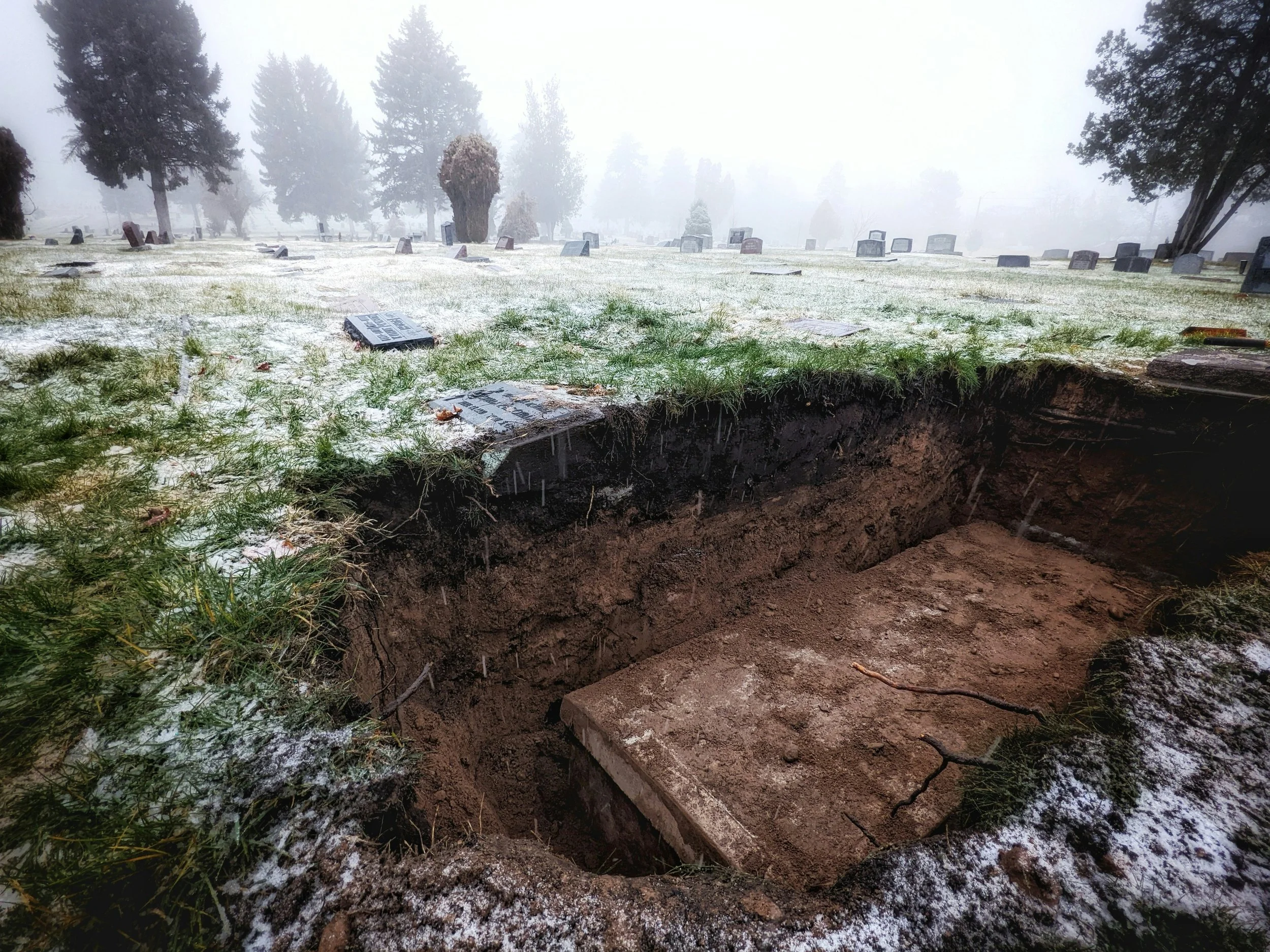
dead bodies left in da sun turn hauna fastkine, even if dey stay in cheap caskets.
e’rybody know dat. but take long time fo’ dig one trench. so, no can help. da workas wear bandanas around dea agong fo’ block out da smell, but i no t’ink stay working, da way dey grumble. me and marcelo and alipio, we no mo’ bandana, so we jus’ gotta breathe it all in. da odda two stay holding dea breath, but me, i no even notice. i jus’ stand still and watch.
all i can t’ink is dat i neva like nobody die. ‘specially not li’dis.
das why i bin leave ilocos norte. fo’ get away from dis kine. was rough at home. violent, even. neva get much fo’ eat. working da farms was hard. and neva get good hospitals, so if get sick, you make.
i seen my firs’ dead body wan i was one boy. apo ledesma got sick, coughing coughing anykine, and dan one day he bin drop dead. i was da one fo’ find his body. had bad dreams allll da time afta dat. even now can see his face and i like palu. and afta i seen my bes’ fren’ julio get beat to death by his boss fo’ slacking off in da field, was ova fo’ me. neva could handle death li’dat since. my fada wan come all piss off cuz i cry wan our dog bin make. same waneva i seen one dead bird on da ground. but no could help. i jus’ no can dat kine.
in da pilipines, i neva get chance fo’ education. das not on da table fo da natakrot third son of one poor ilocano family from sarrat. my oldest brada had fo’ take ova da farm. and my second oldest brada went college wit’ all our money. but was mo’ expensive dan my parents tot. so dey was goin’ sell me as one worka to da tobacco plantations in piddig.
but dan my unko came fo’ visit us, allll da way from hawaii. ho! rich he was. i no could believe my eyes! nice cotton shirts he had, and two pairs jeans, and we ate pork every night he was home.
“manong,” he say to my fada one night wan dey was drinking. “haan mo ipan ti ubing idiay piddig nga taltalon ti tabako. palubosam na umay kaniak ijiay hawaii!”
long time dey bin argue afta dat. late into da night. my mada neva like me go. but my fada seen all da money my unko bin mek. and plus, only weak, me. wouldnt be one loss fo’ send da coward away.
“okay kabsat,” said my fada. “mabalin ti anakko ti mapan kenka idiay hawaii.”
and da next t’ing i knew i was on my way to kauai. scared, i was. my unko bin turn into one jerk da moment we got on da boat. only drink him, and slap my head if i try fo’ bodda him. latah i found out he got money if he brought back mo’ workas fo’ work da plantation wit’ him. sakadas, dey bin call us. ha’kum, i donno. das one bisayan word, but most of us was ilocano. but i neva care about dat kine. was one relief jus’ fo’ be leaving home. i heard dey live long time in hawaii. dey get doctas and medicine and all dat kine stuff, even fo’ da plantation workas, my unko bin tell me. so, i figga was one good trade. maybe not too easy, working da fields. but at least could avoid all da death at home.
turns out, only half-right, i was.
two years i bin work makaweli plantation. needed t’ree fo’ pau my contract wit’ dem. ho, was hard. neva speak english, neva did dat kine work. had fo’ learn planny, me. and da lunas neva like ilocanos, cuz us was lowclass, dey said. not like da bisayans, all high makamaka kine, t’inking dey mo’ betta dan us. so even mo’ worse was fo’ me, i t’ink so. only give me da worst jobs, dem. ditch digging. cane cutting. day shift, night shift, no mo’ set schedule, hard fo’ sleep, always tired. da wors’ job was hapai ko. carrying da sugah cane on my back, fifty pounds easy, sometimes mo’. ay kabagis! but i kep’ my head down, neva cause trouble, neva grumble or mek anykine. i bin work da fields fo’ a dolla a day, dan send most of it back to my ohana in da pilipines. i knew dey needed da money, but donno wat dey eva did wit’ um, cuz wan i left on da boat dat day, i neva did see dem again. i starting fo’ t’ink mebbe i neva will.
i t’ink about my ohana now, as i watch dem t’row da caskets into da ditch. all da pilipinos hea is dead ones, except fo’ me marcelo and alipio. i like run away, same same like always, but dis time, no can. my legs no like move. one of da caskets breaks open wan it lands in da ditch, and i can see da dead man’s face. only bloody his lip. but odda dan dat, he look almost peaceful kine, like stay sleeping. i no recognize him, but somehow i feel like i known him long time. tan him, from working plantation. maybe he bin work hapai ko too, befo’ da strike. maybe he bin come hawaii fo’ get away from all da death at home. but look like death bin find him hea instead.
wan dey start fo’ bury da strikas, one pile dirt hit his face. i come litto bit jealous. da dirt look sof’ and cool as why. i wish could covah me too. i bin stand in da hot hanapepe sun long time already, watching da workas bury dem. alipio tell me is time fo’ go home, but still, i no move. feel like i can still see dea faces even t’rough da coffins. dey no look too happy in my head. i hope i no look li’dat wan i make.
i still smallkine confuse of how dis wan happen, to be honest. like i said, only work, me. neva go out drinking, neva mek humbug. kep’ my head down and work, work, work. apay kasta? i donno.
maybe was cuz of da shoes.
“kabsat,” alipio bin tell me. “masapul ko ti new shoes. come wit’ me ijiay hanapepe, saan ko kayat mapan nga alone.”
i really neva like go. but. i neva blame him fo’ asking. wasnt safe fo’ go out alone, cuz had one strike goin’ on. some of da bisayans was striking fo’ bettah pay, and da leadah, manong manlapit, wanted two dollas a day and one fo’ty hour work week. but no mo’ organization dem, and da strike neva go too well. i neva care too much cuz dey was bisayan only, but was meking t’ings tense around kauai. was one bad time fo’ shopping, i tot so. but alipio needed new shoes fo’ work da next day. so we bin go. i wan ask marcelo fo’ come too, jus’ in case. ho, only bad i feel fo’ dragging him into dis riribok now, but we neva know wat was goin’ happen. focused on da shoes, us was. i remembah t’inking, ay, fo’ dolla shoes. only expensive! was nice, dem. but not nice enough fo’ anybody make.
afta dat, da rest is one blur. can only remembah flashes, me. da strikas catching us by da japanee school wea dey bin hole up, calling us scabs and strike breakas. taking us into da main building and giving us cracks, swearing and calling us anykine names. how long dey bin keep us, ammo ka? ova night, at least. i remembah da nex’ day da sheriffs coming fo’ buss us out. at first da strikahs bin let us go wit’ da police cuz dey was scared. but dan dey bin follow us out wit’ machetes, so da cops bin come back wit’ guns. das wan t’ings got heated.
lots of arguing had, lots of swearing, lots of yelling. da police came nervous cuz had so much strikas. and da strikas was already piss off cuz dey neva have food fo’ eat and dey was stuck dea fo’ one month already. mebbe mo’. wan i seen alipio looking all worried, i knew no could end well. dan somebody shoved somebody. dan dat somebody punched somebody else.
wan i close my eyes, can see everyt’ing still yet. punching and kicking and yelling. everybody coming mo’ and mo’ piss off, and i donno wat fo’ do.
gunshots.
my chest hurt.
i drop to da ground.
no can breathe.
nobody bin notice, nobody bin care. not da sheriffs fighting fo’ take us. not da strikas fighting fo’ keep us. firs’ i t’ink i got shot, but latah i see i neva. i jus’ one coward. so-o shame. mo’ betta i bin make, i t’ink. but i neva. wan tings settle down i run away and hide in da bushes till marcelo come find me. by dan get police and reportahs but i no talk to any of dem. only watch, me. and cry.
even now, i still yet stay crying.
i open my eyes. da dead is still dea.
wan is all pau, twen’y people bin make. fo’ sheriffs, and sixteen bisayans. i count dem all as dey bury dem in da ditch, but only get sixteen coffins. i not surprised. of course da sherriffs not goin’ into da ditch. dey goin’ get one nice funeral by’m bye. only da pilipinos get buried in da trench. behind me somebody say was all ova one pair of fo’ dolla shoes, but wan i look at da bodies in da ditch, i know dose shoes bin cost way mo’ dan dat.
i stay and watch dem fo’ long time, burying peepo i neva really know. peepo who bin beat me and call me scab. my peepo. only now i realize dat, afta dey bin make. yea dey bisayans. yea i ilocano. but we all sakadas, ah? we all pilipinos.
yea dey bin try fo’ hurt me. but dey bin die fo’ me too.
bym’bye i goin see in da pepah dey bin leave me out da story, cuz i neva talk to nobody. das okay wit’ me. i goin be fo’gotten jus’ like da rest of dem in dat big grave. mo’ bettah dat way, i t’ink so. fo’ now, i jus’ watch.
i like leave, but as hard.
wan i finally go, one piece of me stays, buried wit’ dem in da trench forevah.
Author’s Note
I realize the oddity of writing an afterword for a short story, especially one that is over a quarter in length of the actual piece itself, but, given the nature of the story and what it seeks to memorialize, I felt as though something extra might need to be said to help contextualize it. The preceding was an experimental short story written to honor the memory of the victims of the Hanapepe Massacre on its one-hundredth-year anniversary (though I suspect it will be published closer to the hundred-and-second). I began being interested in writing about this historical event when Don Wallace invited me to submit a piece to The Hawai‘i Review of Books for their ongoing series of Hawai‘i historical fiction.
Being from Kaua‘i, where the battle took place, and also being a Mestizo man who is partially of Visayan ancestry (the ethnicity of the vast majority of the strikers involved in the Massacre), I suppose it was only natural that I would want to write about it. Certainly, I wanted to do my best to honor the memory of the victims and to keep their story alive, as though it has been dubbed the “bloodiest confrontation in all of Hawai‘i’s labor history” by The Garden Island Newspaper, I find that it is often overlooked, if not outright forgotten, in Hawai‘i’s history lessons. However, I must admit that I was unaware that the hundredth anniversary was coming up until after I’d begun writing this story, only realizing it when I saw the actual date, September 9th, 1924, during my research. And so, though it is, I suppose, pure happenstance that I was able to finish this story just in time for the hundredth anniversary, I cannot help but feel that there was some sort of Divine Provenance involved, as though these victims, buried en masse in unmarked graves, only recently discovered, in the town I grew up in, needed their story to be told once more.
I tried my best to be thorough when researching the so-called Battle of Hanapepe, and the timelines and pictures of the events and people involved in the Massacre I found online at Honolulu Magazine, Images of Old Hawai‘i, and ILWU Local were very helpful in that regard. The firsthand accounts compiled by the Ethnic Studies Oral History Project at UH Mānoa in the late seventies were also especially invaluable. Nevertheless, despite my best efforts to maintain historical accuracy, this piece is ultimately a work of fiction, which is why I decided to invent a completely new character, the unnamed and forgotten Narrator, in order to best tell the story.
I also strove for accuracy in the writing of the actual prose of this piece, aiming to capture the older “plantation-style” Pidgin spoken by the Sakadas and others around this time on Kaua’i, referencing works written in Pidgin around the same era as these events, as well as historical accounts of the development of Pidgin generally (mahalo nui to Jay Baker of the Kaua‘i Community College Library and Don Carreira Ching for helping me track these down, and Kent Sakoda for some brief but helpful consultation), and even the Pidgin that I grew up hearing spoken by my grandparents and their contemporaries. This will account for much of the perceived idiosyncrasies some readers, more familiar with modern Pidgin, or less familiar with plantation-era Kaua‘i Pidgin, may notice in the prose, such as the (in my opinion, anyway) somewhat excessive use of apostrophes when modifying the spelling of English words into Pidgin ones, or the frequent use of “a” vowel sounds instead of their normal “e” counterparts for many words.
Many thanks to Don Wallace for encouraging me to write this piece, as well as Scott Kikkawa for encouraging me to submit it, Uncle Godwin and Aunty Janet Esaki for being invaluable Pidgin (and farming) consultants, as well as Eric Stinton, Sharla Foster, Alexis Araneta (and the rest of the Blue Marble Storytellers!), the Kaua‘i Writer’s Garden, and the many others who helped me edit it again and again. Thanks also must go to you, the reader. I hope that you enjoyed reading this story, and, perhaps more importantly, that you learned something new from it, so that together, we can help keep the story of the Hanapepe Massacre and its victims alive for a hundred years more. —ti
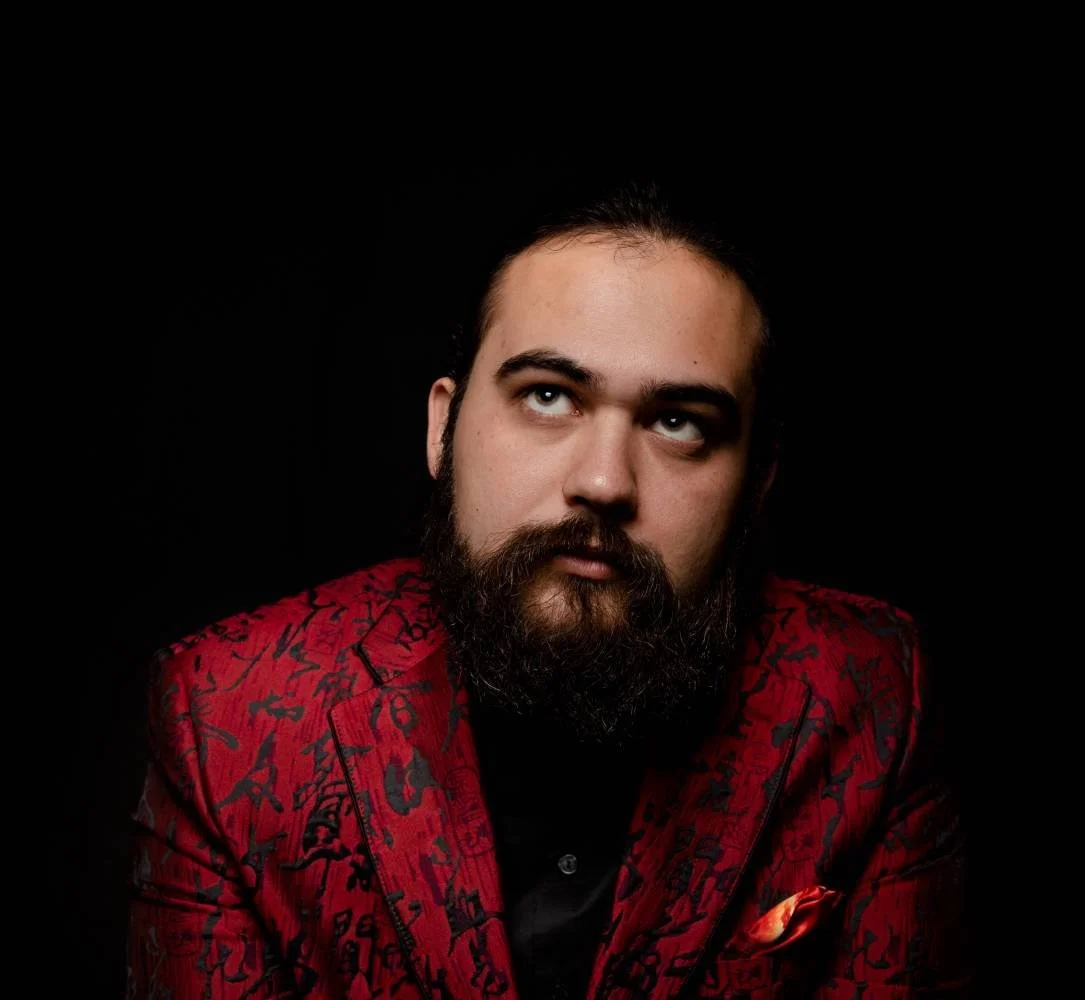
Image by Strauss Western.
Thomas ianucci says “no worry bout thomas iannucci, he doin jus fine. no be nīele.”