When Words Kill
I devoured Shay Kauwe’s debut, The Killing Spell (Saga, April 2026), in a mad, magical rush.
The novel—distinguished for being the first traditionally published adult fantasy by a Native Hawaiian author—is a coming-of-age tale for twenty-something Kealaokaleo, who heads the Petrova clan in the Hawaiian Homestead outside of a destroyed and reconstituted Los Angeles. Faced with giant moʻo, powerful men with dueling agendas, and warring languages, Kea must protect and claim what’s hers—her ʻohana, her language, her mana. It’s a spellbinding book of heart and home.
I first had the pleasure of meeting Shay at the paperback launch of Every Drop is a Man’s Nightmare by Megan Kamalei Kakimoto (Shay and Megan were in the same class at Kamehameha Schools). As our debut novels inched closer to publication—mine, Everything to the Sea, pubs in July—Shay and I kept in touch, as writers in community do.
Before Shay headed out on book tour, we gathered for a pau hana in Honolulu to talk story about what realities inspired the fantastical world of the The Killing Spell, why everyone should like things they’re not good at, and will anyone deliver a pizza to Waimānalao Homestead? (Spoiler alert: No.)
—Alicia Upano
An Interview with Alicia Upano and Shay Kauwe
ALICIA UPANO
I wanted to begin by talking about Little Shay, a hapa-Hawaiian growing up on O‘ahu. How did Hawai‘i and stories form the author that wrote the The Killing Spell?
SHAY KAUWE
My mom is an educator. I think that’s a big part of it. We would read at night, every night. And honestly, there are not a lot of Hawaiʻi-specific stories. It was fantasy, like A Series of Unfortunate Events, and then as I got older, I remember, stealing my mom’s romance books, which are very inappropriate for young kids to be reading.
I actually read a lot more out of genre as an adult, just because I think it’s important to read widely and to expand what you can do in your own genre. I read a lot of nonfiction for research now, but as a kid, I read exclusively fantasy.
ALICIA
Did you always want to be a writer?
SHAY
I did, but honestly, I didn’t think that was a real possibility. I was just trying to work in a writing industry, which I do now. [The Killing Spell] is not the first book I’ve written, but nobody should read those. [laughs]
ALICIA
As a realistic writer, the possibilities of speculative fiction are endless, and that’s daunting for me. What’s the appeal for you in fantasy?
SHAY
The reason I like speculative is because, for me, if you’re exploring a theme, it’s the only way to make that a literal part of the world. I knew I wanted to write a book about language, and my own emotional journey with language learning as somebody who’s not very good at it. And there is no other genre where you can make those thematic elements literal.
ALICIA
Some of my favorite parts of the book is watching our main character sit at her desk and try to figure out spells. You can see that she is close to the language, but also trying to make it do something for her, right? To have purchase in the world.
Speaking of world building, The Killing Spell features Hawaiians in a world with no Hawaiʻi, which I found really interesting. Can you talk about how you smithed this world into being?
SHAY
As a kid, Hawaiʻi was the place where the most Hawaiians in the world were. And then, as I grew up, it was, less and less and less. I think it was the 2020 Census that we reached a tipping point where the diaspora is larger. I remember wondering: What are Hawaiians without Hawaiʻi?
The book is a warning for the importance of taking care of land, because we’re not at that point where we really have to make those tough decisions—yet. I just wish that governments and people would be making the right decisions to keep this place here.
Like I heard this podcast, and they were talking about how something special about Hawaiʻi is that it doesn’t exist anywhere else, and I actually disagree. I think every place is special. I just think places lose that if they’re not maintained. Waikīkī used to be the beach for aliʻi and chiefs, and now most locals try to avoid it because it’s not like that anymore. Places can lose their mana.
So, how can you maintain that, before they cease to exist? I want to protect this place, ecologically and politically. In that way, this book is about hope.
ALICIA
When you say hope, I have my own idea of what that means, having read the book. But what do you mean?
SHAY
I think there’s a lot of struggles with diaspora right now, which I feel that I relate to because I’ve been away from home. Like understanding who you are and how to benefit the Hawaiian people and Hawaiian Nation if you’re not actually in Hawaiʻi. I think there’s ways to do that.
So many of those stories [from the diaspora] are just naturally are focused on identity. And while identity and knowing who you are is important, the second and more important step, in my opinion, is moving towards an actionable goal. Like, what is the goal as a Hawaiian people, as a lāhui? I see it as political power, sovereignty, self-determination.
I find those questions—like, Are you Hawaiian enough?—not something that resonates. It’s definitely because of the privilege of growing up in Hawaiʻi. I grew up on the Homestead, surrounded by family, but it’s something I want for everyone.
That’s why it was important for me that Kea doesn’t really question her identity massively. The story questions her skills and her ability, but she never once doubts that she is Hawaiian.
“As a kid, Hawaiʻi was the place where the most Hawaiians in the world were. And then, as I grew up, it was, less and less and less.
...
I remember wondering: What are Hawaiians without Hawaiʻi?”
ALICIA
In The Killing Spell language is central to personal, familial, cultural, and political power. Arabic spells are protective, Chinese spells are concerned with luck, Spanish spells are curses, while Tagalog is healing. Hawaiian, I believe, pulls its power from the land. Tell me about your own background with languages.
SHAY
My language learning journey has been very non-traditional for both Russian and Hawaiian. I learned Russian almost purely from just immersion. I knew the alphabet when I got there because my husband taught me but nothing else. I wasn’t ashamed, like, I don’t care if I’m making mistakes, I just need to be understood. I need to be able to get from point A to point B. So, there was like, a freedom in speaking Russian that I think helped me progress a lot faster.
And then went back to Hawaiian and realized I can’t do immersion. It was really challenging, and I found myself kind of back in the same struggle I had when I would learn languages before. I took Spanish in high school, and am not very good. I took Arabic in college, and am also not good.
ALICIA
But you have a love of languages. That’s what I’m hearing.
SHAY
Yeah, I think everyone should like things they’re not good at. Languages are an important thing, because I think the heart of them is communication over anything else.
ALICIA
Is there something specific you appreciate about Hawaiian, since it’s the language of Kea’s magic, that’s unique from other languages you’ve studied?
SHAY
Hawaiian’s such a beautiful and cool language to know. I think it’s just like all things that you get to learn the deeper you dive into the language, getting a glimpse into the past for the way that Hawaiians, especially ancient Hawaiians, thought about life.
Like something I love, is there is no word for luck in Hawaiian. It doesn’t exist. Laka is the word for luck, but it’s a transliteration from English, but there is a word for destiny and fate. So, what does it say about a society that has a word for destiny and fate, but not for luck?
ALICIA
Let’s talk about love: familial love, romantic love. Kea is a young woman, so it’s a coming-of-age tale. She’s bookended by elders and keiki, also a typical Hawaiʻi story. She’s also surrounded by these hot, magical men. Love, I’d argue, is a type of spell. How does it function for you as a writer?
SHAY
I mean, I love love. I actually think this is a larger thing. Romance as a genre gets devalued by the industry, and that’s not cool, because they are keeping the lights on for the rest of us. Also, I genuinely think love is a powerful thing. I feel like it should be at the center of most books.
And like you said, there are all kinds of love. My publisher tried to kill off Kea’s family and make them smaller. They’re like, there’s so many characters. And I was like, I get it, but it’s essential to her character. If you’re from Hawaiʻi with these big, expansive families, that is such a core component to who you are as a person. I really wanted to make that possible in the book.
ALICIA
The Killing Spell is now out in the world, and you’re soon to leave on a book tour. I also think you’re a rarity—an extroverted writer! What does it mean for you to connect with The Killing Spell’s audience?
SHAY
I love it! I like meeting people. I don’t think every book is for everyone. There is no such thing. But finding the people that this was for, people who get it, who have those same feelings, it’s just such a good feeling. Like you have this kindred spirit.
ALICIA
Give us a hint of what we might expect from you next.
SHAY
I’m moving into horror, and making a little bit of a pivot to a modern gothic set in Hawaiʻi. I have strong opinions about the tourism industry in Hawaiʻi, so I channeled that all into a single book, and that’s what’s coming out hopefully next year.
It’s set in Waiʻanae which is a place that’s very dear to my heart.
ALICIA
It’s beautiful. Every time I go out there, I feel like I’m going back in time.
SHAY
It’s such an underrated place on the island, and I have a lot of kinship of going there to teach, because, much like Waimānalo, you can’t get a pizza delivered! [laughs] It’s one road in and out. But it’s also very different.
When I was teaching there, we were doing a lot of place-based learning, learning about moʻolelo specific to that community. Waiʻanae is so rich in cultural storytelling. So many gods and goddesses have been in that area, and it’s just like this crazy, powerful place for storytelling. But there’s such a negative stereotype about the place, which I hate.
I just wanted to say thank you to a place that I consider a big part of my life. There’s so many kids who go to Waiʻanae High School, and I want them to see themselves reflected positively in stories in a good way, and to see themselves as heroes.
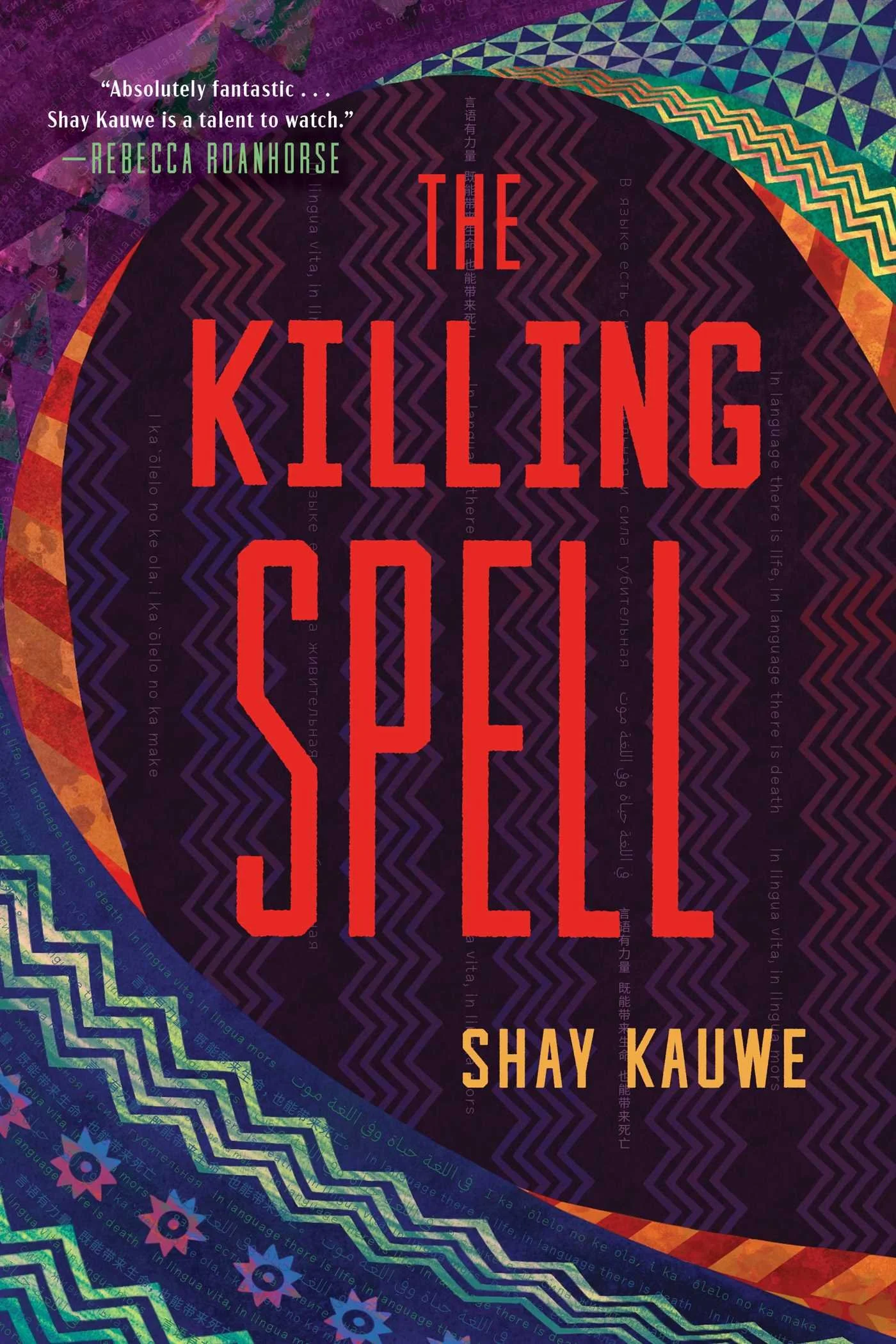
The Killing Spell is now widely available at local bookstores and online. Join Shay at readings, signings, and workshops on Maui, Kauaʻi, Hawaiʻi island, Oʻahu, as well as several stops on the U.S. West Coast. Dates can be found at shaykauwe.com/events.
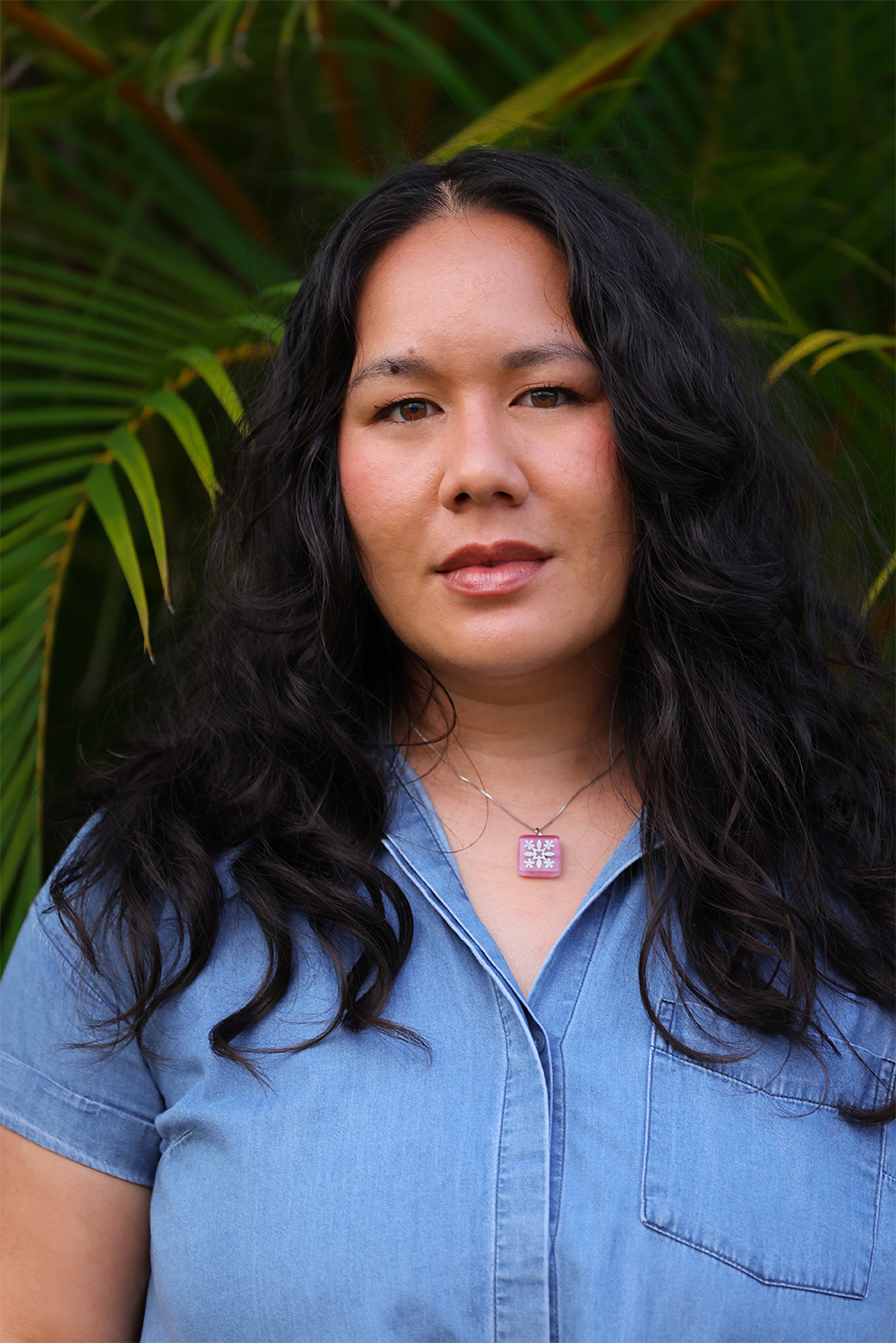
Shay Kauwe is a Kanaka Maoli author from Hawaiʻi. She grew up on the Homestead in Waimānalo but moved to Russia because she fell in love with a boy. They now live in Oʻahu. Shay holds an M.Ed in Education and was named an NCTE Early Educator of Color in 2021. In 2022, she was awarded an Empowering ʻŌiwi Leadership Award by the Hawaiian Council for her work in storytelling and literacy. Her debut urban fantasy The Killing Spell is forthcoming from Saga/Solaris Books and will be the first traditionally published adult fantasy novel by a Hawaiian author.
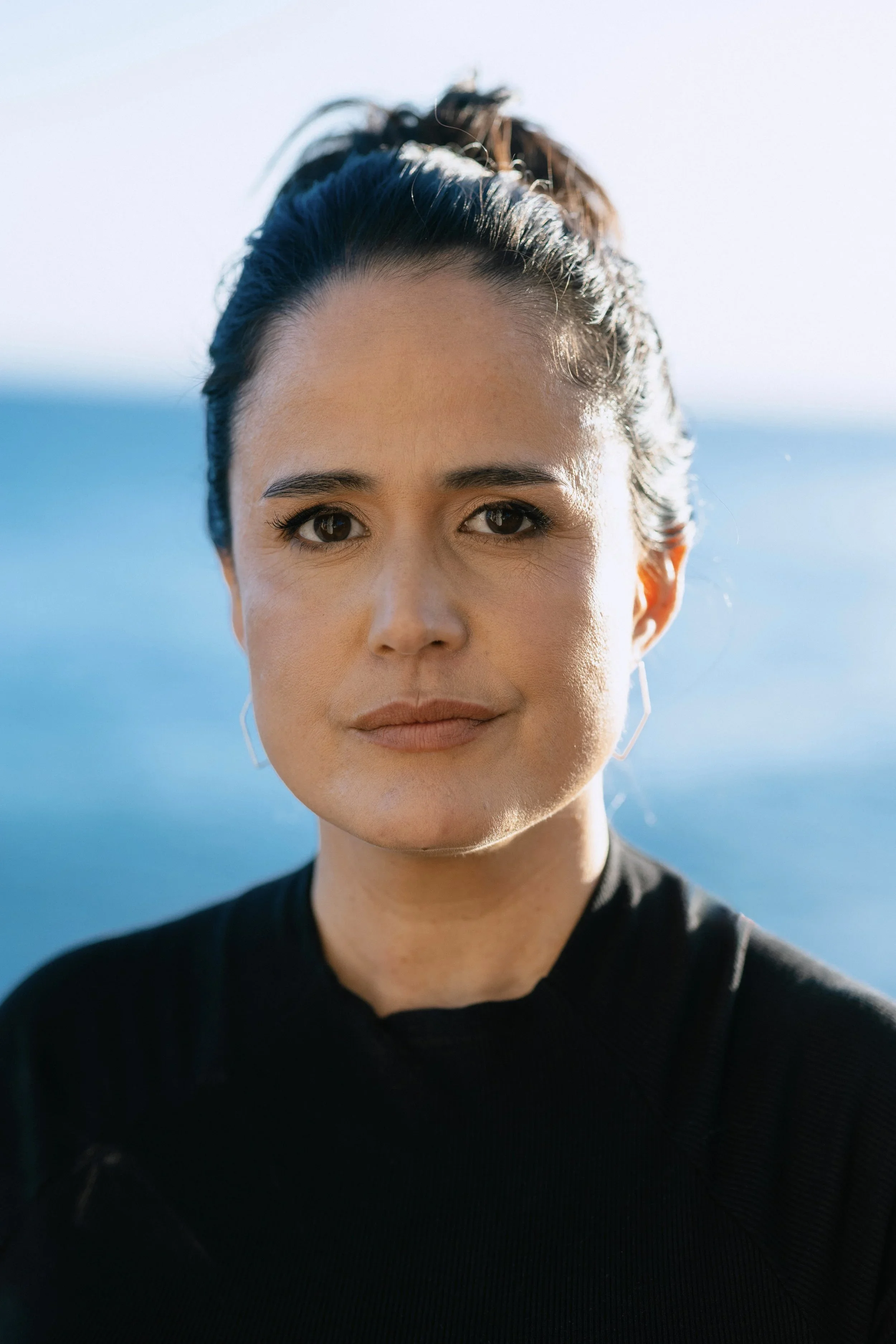
Alicia Upano was born and raised in Hawai‘i. She is the recipient of the Poets & Writers Maureen Egen Writers Exchange Award Hawai‘i, the James Jones First Novel Fellowship, and a Bread Loaf-Rona Jaffe Scholarship. After living in Asia and both U.S. continental coasts, she now resides on O‘ahu with her family. Her debut novel, Everything to the Sea, is forthcoming in July 2026 from William Morrow/HarperCollins. Learn more at aliciaupano.com.
Banner image courtesy of Glenn Villas.